
The Origins of Gambling
The roots of gambling can be traced back thousands of years, finding evidence in ancient civilizations such as Mesopotamia, where clay dice were used around 3000 BCE. These early forms of gambling were not merely about chance; they often played a role in rituals and social gatherings, embedding gambling into the fabric of cultural life. As societies evolved, so did the methods and motivations behind gambling, with aspects of chance and luck becoming intertwined with the human experience. Furthermore, platforms like Realz casino show how modern interpretations continue to shape societal engagement with gaming.

In ancient Rome, gambling became a popular pastime among citizens, particularly in the form of betting on gladiatorial games and chariot races. The Romans developed a complex gambling culture that included various games of chance. Laws were enacted to regulate gambling, highlighting its significance within Roman society. This cultural acceptance of gambling laid the groundwork for its evolution into an organized industry, influencing future societies across Europe and beyond.
Throughout history, gambling has often been linked to economic activity, with evidence showing that in various cultures, it served as a source of revenue for governments. In China, the introduction of card games and lotteries during the Tang Dynasty in the 7th century illustrated how gambling could be utilized for civic purposes. This historical context demonstrates that gambling has long been more than just a recreational activity; it has shaped economies and influenced cultural practices across the globe.
The Rise of Modern Gambling
The modern gambling landscape began to take shape in the 17th century, with the establishment of public gaming houses in Europe. These establishments became centers for social interaction and entertainment, providing an environment for the growing interest in games of chance. The invention of new games, such as the roulette wheel in France, contributed to the popularity of gambling, making it an integral part of the social elite's lifestyle.
The 19th century marked a significant transformation in gambling, particularly with the emergence of casinos. The first official casino opened in Venice in 1638, but it wasn't until the mid-1800s that casinos began to flourish in places like Monte Carlo. These venues offered a luxurious experience that attracted wealthy patrons from across Europe, establishing a precedent for the glamorous portrayal of gambling in popular culture.
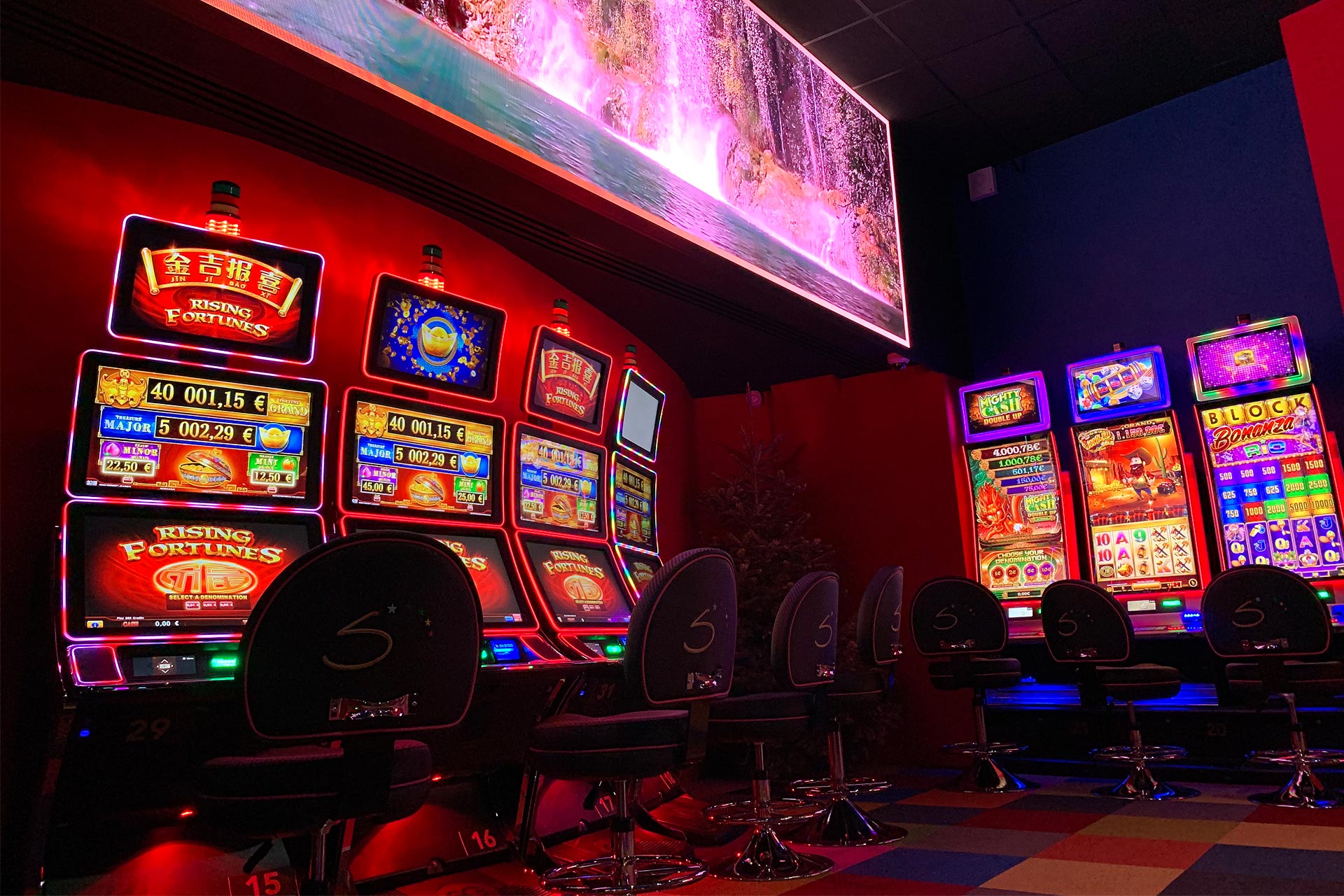
The introduction of slot machines in the late 19th century revolutionized gambling. Initially designed as simple amusement devices, they quickly gained popularity in bars and saloons across the United States. The ease of play and potential for substantial payouts made them a favorite among patrons. This innovation expanded the reach of gambling, introducing it to those who may not have visited traditional casinos, thereby democratizing the gambling experience.
The Cultural Impact of Gambling
As gambling became more mainstream, it began to influence various aspects of culture, including literature, film, and even fashion. Novels such as Fyodor Dostoevsky's "The Gambler" explored the psychological complexities of gambling addiction and its moral implications. This portrayal of gambling as both a vice and a source of excitement resonated with audiences, further embedding it into cultural narratives.
The gambling culture was also immortalized in cinema, with films like "Casino Royale" and "Rounders" romanticizing the thrill and danger of gambling. These portrayals often highlight the allure of high-stakes betting, appealing to audiences' fascination with risk and reward. As a result, gambling became synonymous with adventure, crafting an image that would influence public perception for generations.
Moreover, the rise of online gambling in the late 20th century has transformed the cultural landscape even further. With the advent of the internet, gambling became more accessible, allowing individuals to participate from the comfort of their homes. This shift has not only changed how people engage with gambling but also impacted social interactions, leading to a new form of community among online gamblers.
The Regulation and Legalization of Gambling
The evolution of gambling has always been accompanied by debates around regulation and legality. In the United States, the Prohibition era saw a crackdown on gambling, leading to a rise in underground gambling operations. However, the latter half of the 20th century witnessed a significant shift as states began to legalize various forms of gambling, from lotteries to casinos, in an effort to generate revenue.
This wave of legalization also prompted increased scrutiny regarding responsible gambling practices. Governments began to implement regulations to protect consumers and ensure fair play. The establishment of organizations dedicated to gambling addiction awareness became crucial, reflecting a growing understanding of the social implications of gambling. This evolution emphasizes the need for balance between enjoyment and regulation in the gambling industry.
Internationally, the regulation of gambling varies greatly, with some countries embracing it as a significant economic driver while others maintain strict prohibitions. This disparity illustrates the complex relationship between culture, economy, and governance, highlighting how societal attitudes toward gambling have evolved differently across regions. Understanding these dynamics is crucial for appreciating the historical journey of gambling.
Realz Casino: A Modern Evolution in Gambling
In today's digital age, platforms like Realz Casino exemplify the latest developments in the gambling industry. Launched in 2023, Realz Casino offers an extensive range of over 3,000 casino games, catering to both casual players and seasoned gamblers. Its user-friendly interface and mobile compatibility reflect the ongoing evolution of gambling, ensuring accessibility and convenience for players worldwide.
Realz Casino takes pride in providing a secure environment for online gaming, with a Curacao eGaming license that guarantees fairness and transparency. New players are welcomed with generous bonuses, such as a 100% match up to $750 and free spins, emphasizing the modern focus on player incentives. This approach mirrors the historical evolution of gambling, which has always sought to attract participants through engaging experiences.
Additionally, the platform's fast e-wallet payouts and dedicated customer support highlight the importance of customer satisfaction in the contemporary gambling landscape. Realz Casino represents not just a continuation of the gambling tradition but an adaptation to the changing needs and preferences of today's players, showcasing how the industry remains dynamic and responsive to cultural shifts.